Dental implant surgery is usually carried out under local anaesthesia, which numbs the treatment area during implant placement. While some pressure or vibration may be felt, the procedure should not cause sharp pain once the area is properly numb. After surgery, mild swelling and soreness are common for the first few days.
The level of discomfort varies from person to person, particularly when additional procedures such as tooth extraction or bone grafting are required. In this guide, we explain what to expect during dental implant surgery, how long discomfort usually lasts, ways to manage pain after treatment, and when to seek dental attention.
Is Dental Implant Surgery Painful?
Dental implant surgery involves placing a titanium fixture into the jawbone to replace the root of a missing tooth. The procedure is usually performed under local anaesthesia to numb the gums and surrounding tissues. A brief sting or pressure may be felt when the anaesthetic is injected. Once the area is numb, sharp pain should not be felt during implant placement, although pressure or vibration may still be noticeable.
Before starting the procedure, the dentist will check that the area is sufficiently numb. If sharp pain is felt during treatment, additional anaesthesia may be needed. After surgery, some soreness and swelling are expected as the surrounding tissues begin to heal. These symptoms usually improve over the following days.
What to Expect During Dental Implant Surgery
Dental implant treatment involves several stages, from the initial assessment to implant placement and healing. Here is what usually happens during the procedure.
1. Consultation and Dental Assessment
Before surgery, we will examine the teeth, gums and missing tooth area to determine whether a dental implant is suitable. X-rays or a CBCT (3D) scan may be used to assess the available jawbone and identify the planned implant position. The assessment also helps determine whether additional procedures, such as bone grafting or tooth extraction, are needed.
2. Local Anaesthesia
Local anaesthetic is administered to numb the treatment area before implant placement. The dentist will allow time for the anaesthetic to take effect and check that the area is properly numb before proceeding. Patients usually remain awake throughout the procedure.
3. Dental Implant Placement
Once the area is numb, a small space is prepared within the jawbone for the implant fixture. The implant is then placed in its planned position. Some pressure or vibration may be felt during this stage, but sharp pain should not occur when the anaesthetic is working effectively. The procedure time depends on the number of implants being placed and whether additional treatment is needed.
4. Stitches and Aftercare
After the implant is placed, the gums may be closed with stitches to support healing. Depending on the type used, the stitches may dissolve naturally or need to be removed during a follow-up appointment. We will provide aftercare instructions, including how to clean the treatment area, what foods to eat and how to manage discomfort during recovery.
How Long Does Pain Last After Dental Implant Surgery?

Mild soreness, swelling and tenderness are common after dental implant surgery. These symptoms generally improve within several days, although recovery varies depending on the extent of treatment.
For straightforward implant placement, discomfort often settles within about a week. More extensive procedures, such as multiple implants, bone grafting or a sinus lift, may require a longer recovery period.
How to Manage Pain After Dental Implant Surgery
Following the recommended aftercare instructions can help manage discomfort and support healing. Here are some practical steps.
1. Take Pain Relief Medication as Directed
Pain relief medication may be recommended or prescribed after implant surgery. Take the medication according to the instructions provided. If there are existing medical conditions, medication allergies or other medicines being taken, these should be discussed before using painkillers.
2. Apply a Cold Compress
A cold compress placed against the outside of the cheek may help reduce swelling during the early recovery period. Wrap the cold pack in a clean cloth rather than placing ice directly on the skin. Follow the recommended timing and frequency when applying it.
3. Eat Soft Foods
Soft foods are usually recommended during the first few days after implant surgery to avoid placing unnecessary pressure on the surgical area. Foods such as porridge, eggs, yoghurt and soft noodles may be easier to eat during recovery.
Avoid chewing directly on the implant area until advised that it is safe. Hot foods and drinks should also be avoided while the mouth is still numb.
4. Keep the Mouth Clean
Good oral hygiene is important for preventing plaque and bacteria from building up around the surgical area. However, brushing directly over the wound may need to be avoided temporarily. We will explain how to clean the area and whether a mouth rinse is needed during the initial healing period.
5. Avoid Smoking and Strenuous Activities
Smoking can interfere with healing and increase the risk of implant complications. Strenuous exercise and heavy physical activity may also need to be avoided for a short period after surgery, particularly if there is swelling or bleeding. The recommended recovery period depends on the extent of treatment.
What Factors Affect Pain and Recovery After Dental Implants?
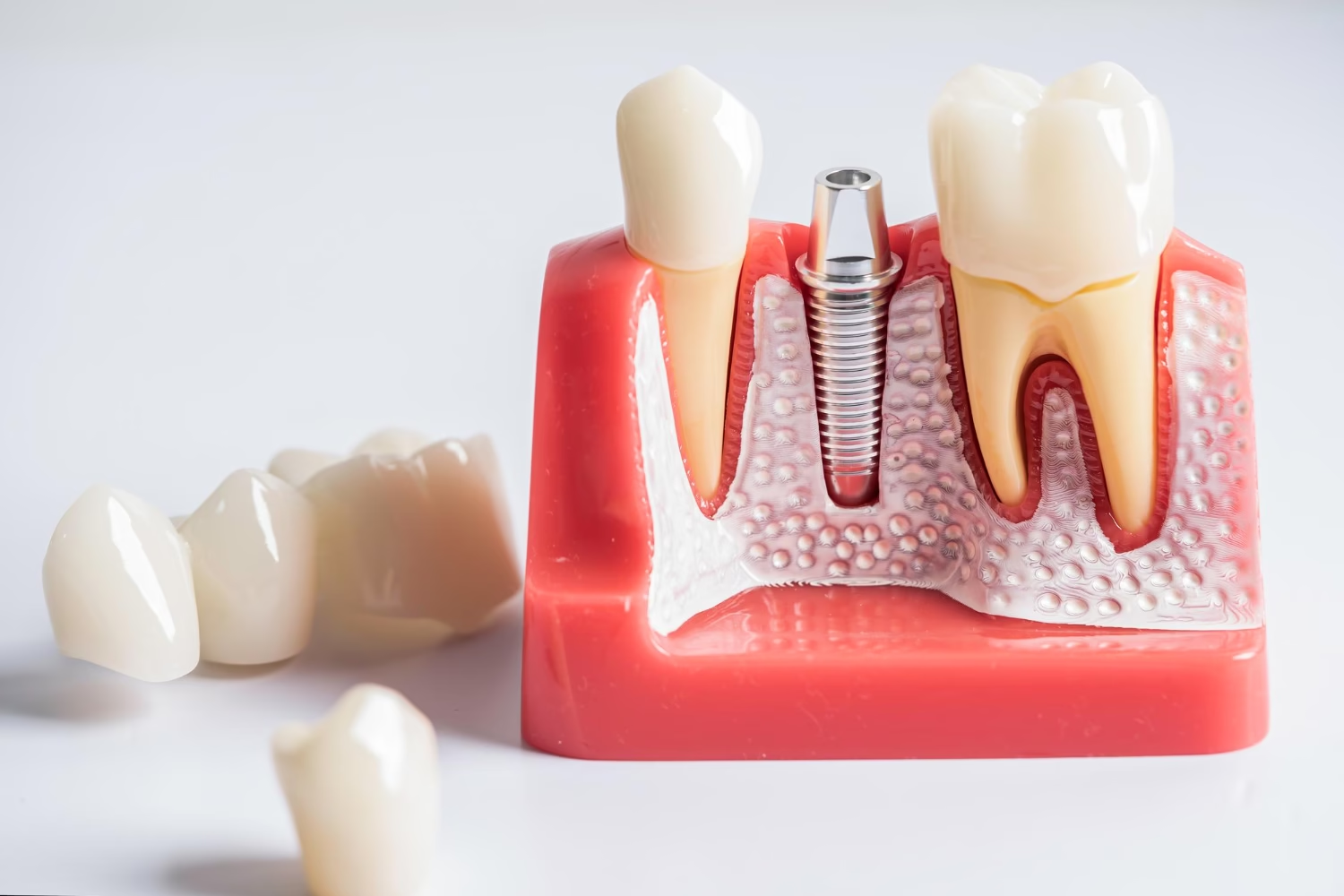
Not everyone experiences the same level of discomfort after implant surgery. Several factors can influence recovery.
1. Number of Implants Placed
Placing a single implant generally involves a smaller treatment area than placing several implants. For patients receiving multiple implants, swelling and soreness may be more noticeable depending on the extent of surgery.
2. Additional Procedures Required
Some patients need a tooth extraction, bone graft or sinus lift before or during implant placement. These procedures involve additional treatment of the surrounding tissues and may increase the recovery time.
3. Gum and Jawbone Condition
Healthy gums and sufficient jawbone are important for dental implant treatment. Existing gum disease or infection may need to be treated before implant placement. Certain medical conditions may also affect healing.
4. Individual Healing Response
Recovery varies between patients. Some experience minimal swelling, while others may notice more tenderness or bruising after a similar procedure. The important thing is that discomfort gradually improves as the surgical area heals.
When Should You Be Concerned About Pain After Dental Implant Surgery?
Some discomfort is normal after dental implant placement. However, severe pain or symptoms that continue to worsen should not be ignored.
Contact our dental team if any of the following occurs:
- Severe pain that does not improve with the recommended medication
- Swelling that continues to increase instead of settling
- Fever, pus or an unpleasant discharge from the surgical area
- Persistent bleeding that does not stop after following the recommended instructions
- Unusual or persistent numbness around the lip, chin or tongue
- A loose implant or unexpected movement around the treatment area
These symptoms do not necessarily mean that the implant has failed, but they require dental assessment. Difficulty breathing or swallowing requires emergency medical attention.
How Long Does a Dental Implant Take to Heal Completely?
Recovery from surgery and the healing of the dental implant are two different stages. The gums usually begin healing within the first one to two weeks. However, the implant fixture needs more time to bond with the surrounding jawbone through a process called osseointegration. For many patients, this takes approximately 3 to 6 months before the final implant crown is fitted.
The actual timeline depends on the jawbone condition, implant stability and whether additional procedures are required. This does not mean pain will continue throughout the entire healing period. Most post-surgery soreness settles much earlier. For more information about the treatment process, visit our Dental Implant in Singapore page.
Conclusion
Dental implant surgery is usually performed under local anaesthesia, so sharp pain should not be felt during the procedure once the area is properly numb. Some pressure or vibration may still be noticeable, while mild soreness and swelling can occur afterwards. For many patients, discomfort improves within the first week.
However, recovery may take longer when additional procedures such as bone grafting or multiple implant placements are involved. Following the recommended aftercare instructions and attending follow-up appointments are important for monitoring healing and identifying any complications early.
Considering Dental Implant Treatment in Singapore? Visit Best Smile Dental
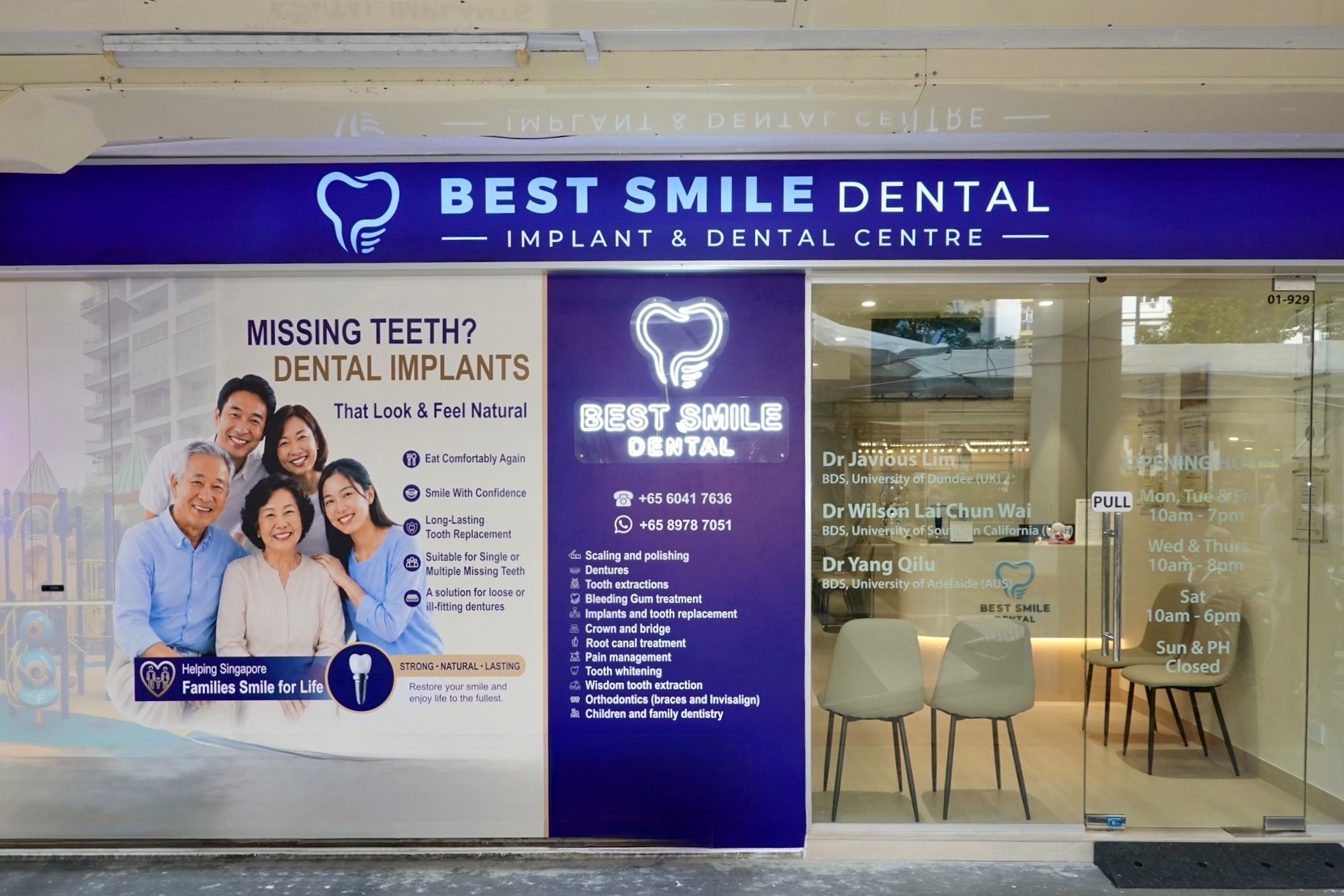
At Best Smile Dental in Upper Boon Keng, we provide dental implant treatment for suitable patients who need to replace one or more missing teeth. Our dentist will assess the teeth, gums and jawbone before recommending a treatment plan. X-rays or a CBCT scan may be used where needed to assess the implant area and plan placement.
We will also explain the procedure, expected recovery, possible risks and estimated treatment fees, including any additional procedures that may be required. Learn more about our dental implant treatment and dental implant cost in Singapore, or book an appointment with our dental team for an individual assessment.
Frequently Asked Questions
1. Will I feel pain during dental implant surgery?
Dental implant placement is usually performed under local anaesthesia. Once the treatment area is properly numb, sharp pain should not be felt, although some pressure or vibration may still be noticeable.
2. How many days does dental implant pain last?
Mild soreness usually improves within several days and generally settles within about a week. Recovery may take longer when additional surgical procedures are involved.
3. Is swelling normal after dental implant surgery?
Yes. Mild swelling is common and may become more noticeable during the first two to three days before gradually improving. Swelling that continues to worsen should be checked.
4. Can I return to work after dental implant surgery?
Some patients can return to work the next day after straightforward implant placement. More rest may be needed following multiple implants, bone grafting or other extensive procedures.
5. What can I eat after dental implant surgery?
Soft foods such as porridge, eggs, yoghurt and soft noodles are usually recommended during the initial recovery period. Avoid chewing directly on the implant area until advised that it is safe.
6. Does a dental implant hurt after it has healed?
A healed dental implant should not cause ongoing pain. Persistent tenderness, swelling or discomfort around an implant should be assessed to identify whether there is a problem with the surrounding gums, bone or restoration.
7. Is it normal for dental implant pain to get worse after a few days?
Some swelling may increase during the first two to three days. However, severe pain or discomfort that continues to worsen instead of improving should be checked, particularly if accompanied by fever, discharge or increasing swelling.