Dental implants can last 10 to 20 years or even longer with proper care, but they are not guaranteed to last for life. Their lifespan depends on several factors, including oral hygiene, gum health, jawbone support, smoking habits and regular dental maintenance. The implant fixture and the crown attached to it may also have different lifespans.
While the titanium implant can remain stable in the jawbone for many years, the crown may eventually need repair or replacement due to wear or damage. In this guide, we explain how long dental implants usually last, what affects their lifespan, how to maintain them and which warning signs may indicate a problem.
How Long Do Dental Implants Usually Last?
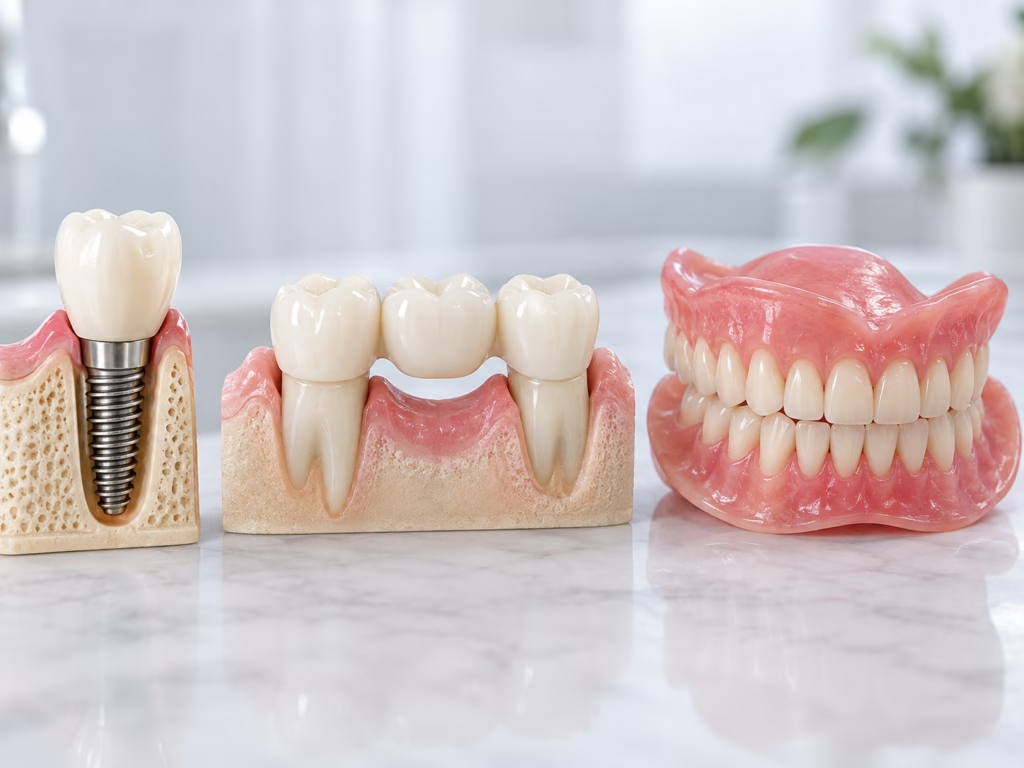
A dental implant is a titanium fixture placed into the jawbone to replace the root of a missing tooth. After healing, it can support a crown, bridge or denture, depending on how many teeth need to be replaced. Dental implants are designed for long-term tooth replacement. With proper care, many remain in place for more than 10 years, and some can last for several decades.
A 2019 systematic review published in the Journal of Dentistry examined long-term dental implant survival across 18 studies. The researchers estimated that approximately 93% to 96% of implants remained in place after 10 years, depending on how missing follow-up data were accounted for. However, these figures refer to implant survival, not whether every implant remained free from complications or maintenance. The lifespan of an individual implant depends on the health of the surrounding gums and bone, oral hygiene, biting forces and regular dental care.
Does the Dental Implant Crown Last as Long as the Implant?
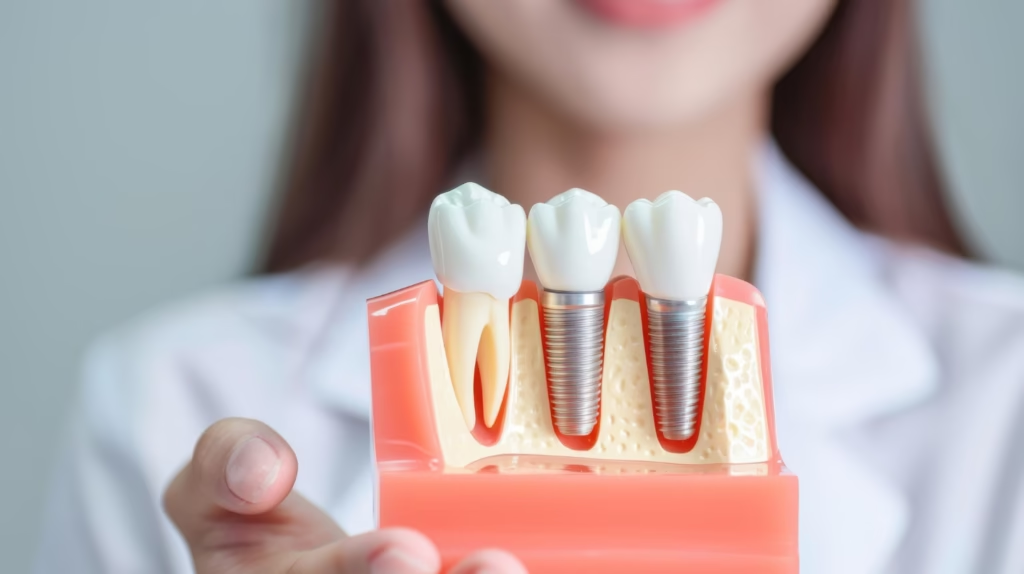
A dental implant restoration consists of several components, which may have different maintenance and replacement needs.
The implant fixture and crown do not necessarily need to be replaced at the same time. For example, an implant may remain stable in the jawbone while the crown becomes worn, chipped or damaged. In some cases, the crown can be repaired or replaced without removing the implant fixture.
However, this depends on the condition of the implant and its connecting components. Regular dental check-ups allow us to monitor the implant, surrounding gums and crown for signs of wear or complications.
6 Factors That Affect How Long Dental Implants Last
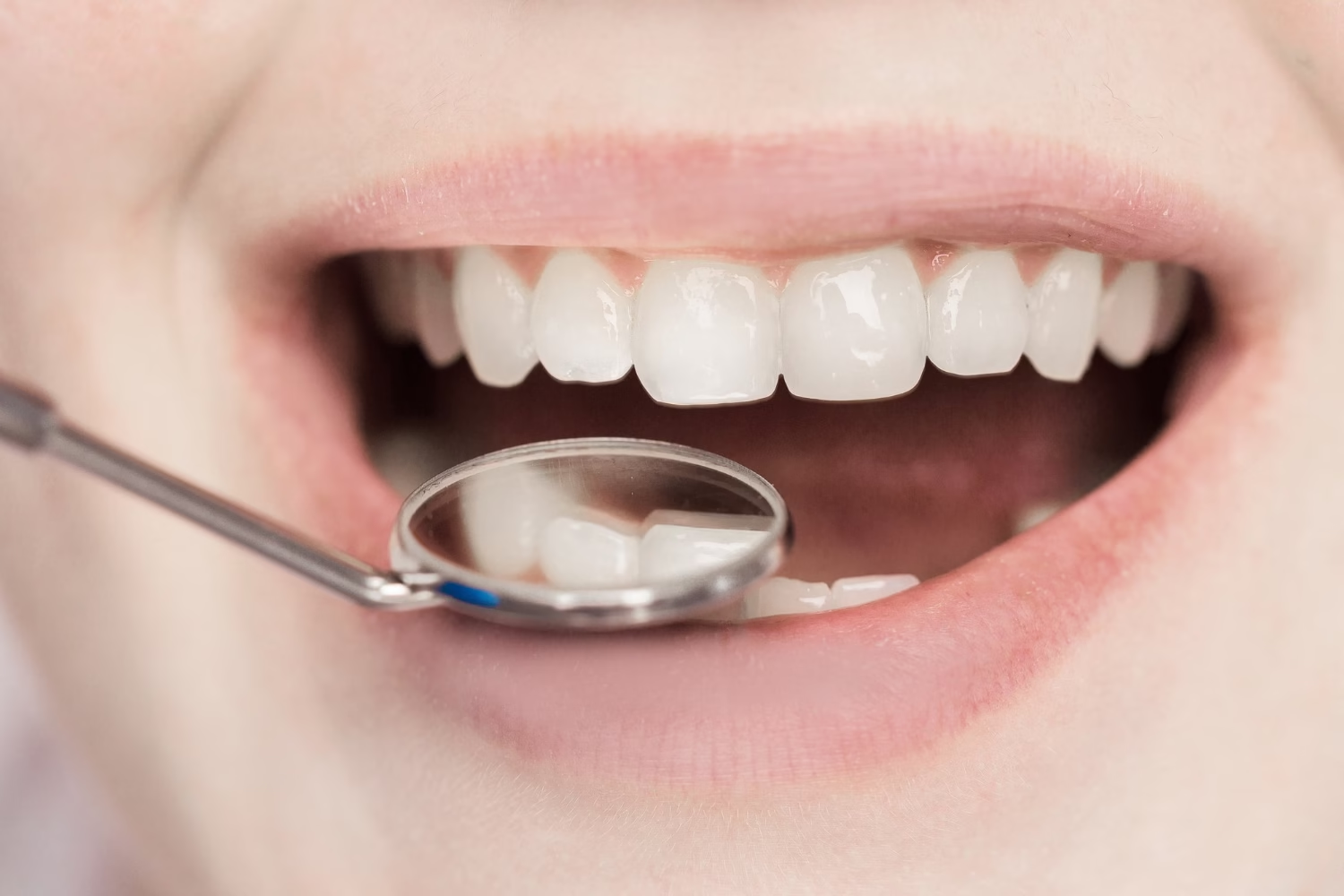
The lifespan of dental implants can vary between patients, even when similar implant systems are used. Here are six important factors that can affect their long-term condition.
1. Oral Hygiene and Daily Cleaning
Good oral hygiene is one of the most important factors in maintaining dental implants. Unlike natural teeth, dental implant fixtures and artificial crowns cannot develop cavities. However, plaque and bacteria can still build up around the implant and surrounding gums. If plaque is not removed regularly, it may cause gum inflammation and eventually affect the bone supporting the implant.
Brushing twice daily, cleaning between the teeth and following the recommended implant cleaning routine can help maintain healthy surrounding tissues.
2. Gum Health and History of Gum Disease
Healthy gums and stable jawbone support are important for implant longevity. Patients with a history of gum disease may have a higher risk of developing inflammation around their implants, especially when plaque control is poor. Before implant placement, existing gum disease may need to be treated to improve the condition of the surrounding tissues. After treatment, regular dental check-ups remain important for monitoring gum health and identifying early signs of inflammation.
3. Smoking Habits
Smoking can interfere with healing and increase the risk of complications around dental implants. It can affect blood supply to the surrounding tissues and is associated with a higher risk of implant failure and bone loss.
For patients who smoke, the risks should be discussed before implant surgery. Avoiding smoking is also important for supporting the long-term health of the gums and bone around the implant.
4. Teeth Grinding and Bite Pressure
Dental implants are designed to support normal biting and chewing forces. However, excessive pressure may place additional stress on the implant crown and connecting components. Patients who grind or clench their teeth, a condition known as bruxism, may experience increased wear or damage to the restoration.
A night guard may be recommended in suitable cases to help reduce the effects of teeth grinding. The bite should also be checked regularly to identify any areas where excessive pressure may affect the implant restoration.
5. General Health and Medical Conditions
Certain medical conditions may affect healing and the long-term health of the tissues around an implant. For example, poorly controlled diabetes can affect wound healing and increase the risk of implant complications. Some medications and medical treatments may also affect bone health or require additional precautions. These conditions do not automatically mean that dental implants are unsuitable. However, a medical history review is important before planning treatment.
6. Jawbone Condition and Implant Placement
Dental implants need sufficient jawbone to provide support. After a tooth is lost, the surrounding jawbone can gradually shrink. In some cases, a bone graft may be needed to provide adequate support for implant placement. The implant position, available bone and planned restoration are also important parts of treatment planning.
At Best Smile Dental, X-rays or a CBCT (3D) scan may be used to assess the jawbone and plan implant placement where needed.
What Is Peri-Implantitis and How Does It Affect Dental Implants?
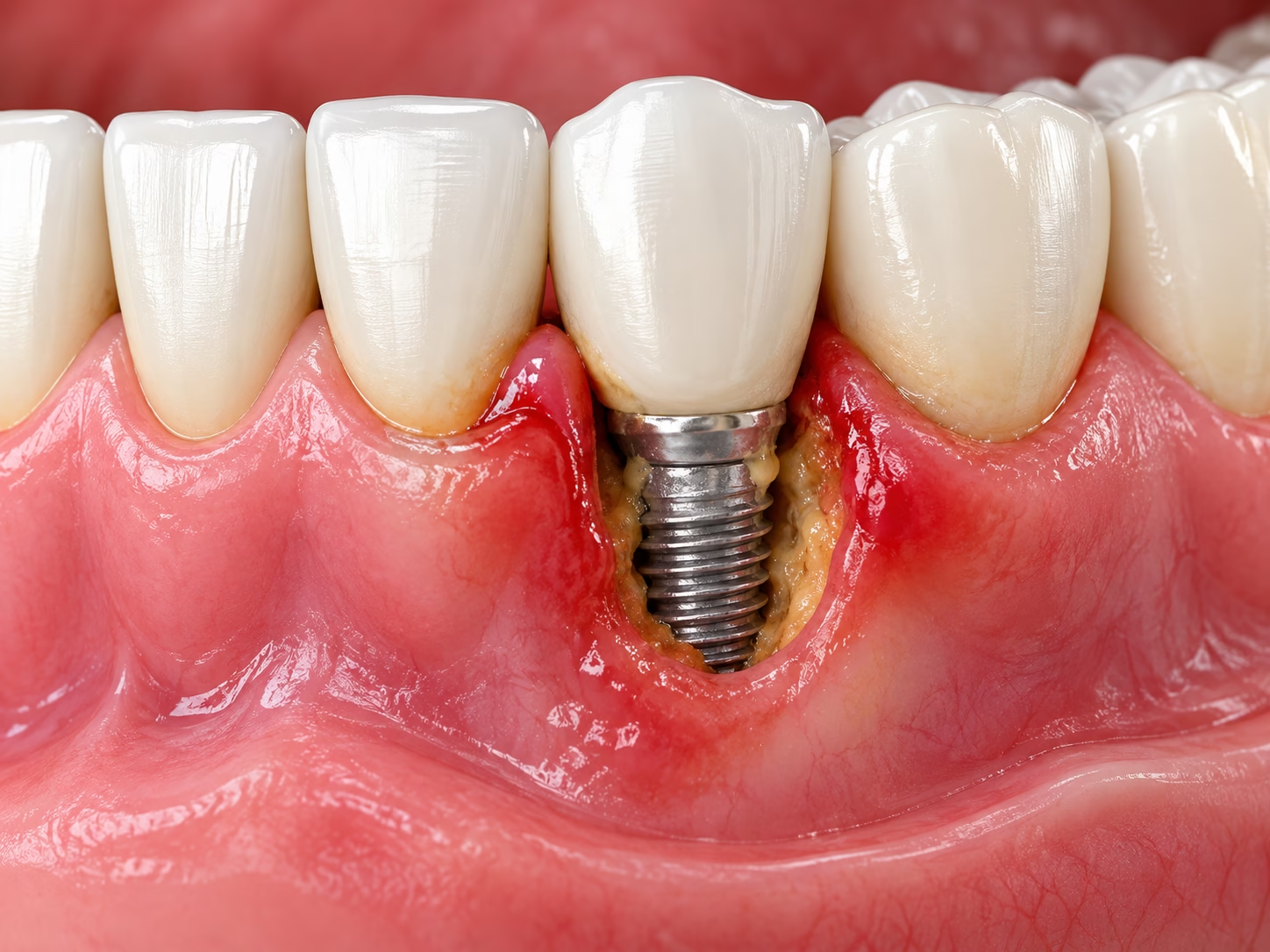
One condition that can affect implant longevity is peri-implantitis, an inflammatory disease involving the gums and supporting bone around a dental implant. Plaque and bacteria can accumulate around the implant, causing inflammation of the surrounding gums.
In its earlier stage, this is known as peri-implant mucositis. If inflammation progresses and causes loss of the supporting bone, the condition is known as peri-implantitis. Untreated inflammation around dental implants can lead to bone loss and, in severe cases, loosening of the implant.
Common warning signs include:
- Bleeding when brushing around the implant
- Red or swollen gums
- Persistent bad breath or an unpleasant taste
- Discomfort or tenderness around the implant
- Movement or loosening of the implant
Not all implant problems cause pain in the early stages. This is why regular dental check-ups are important, even when the implant feels comfortable. Early gum inflammation may be managed with improved oral hygiene and professional cleaning. More advanced peri-implantitis may require additional treatment and can be difficult to manage.
How to Make Dental Implants Last Longer
Although no dental implant can be guaranteed to last for life, proper care can help maintain the surrounding gums, bone and implant restoration. Here are some practical steps.
1. Brush and Clean Around the Implant Daily
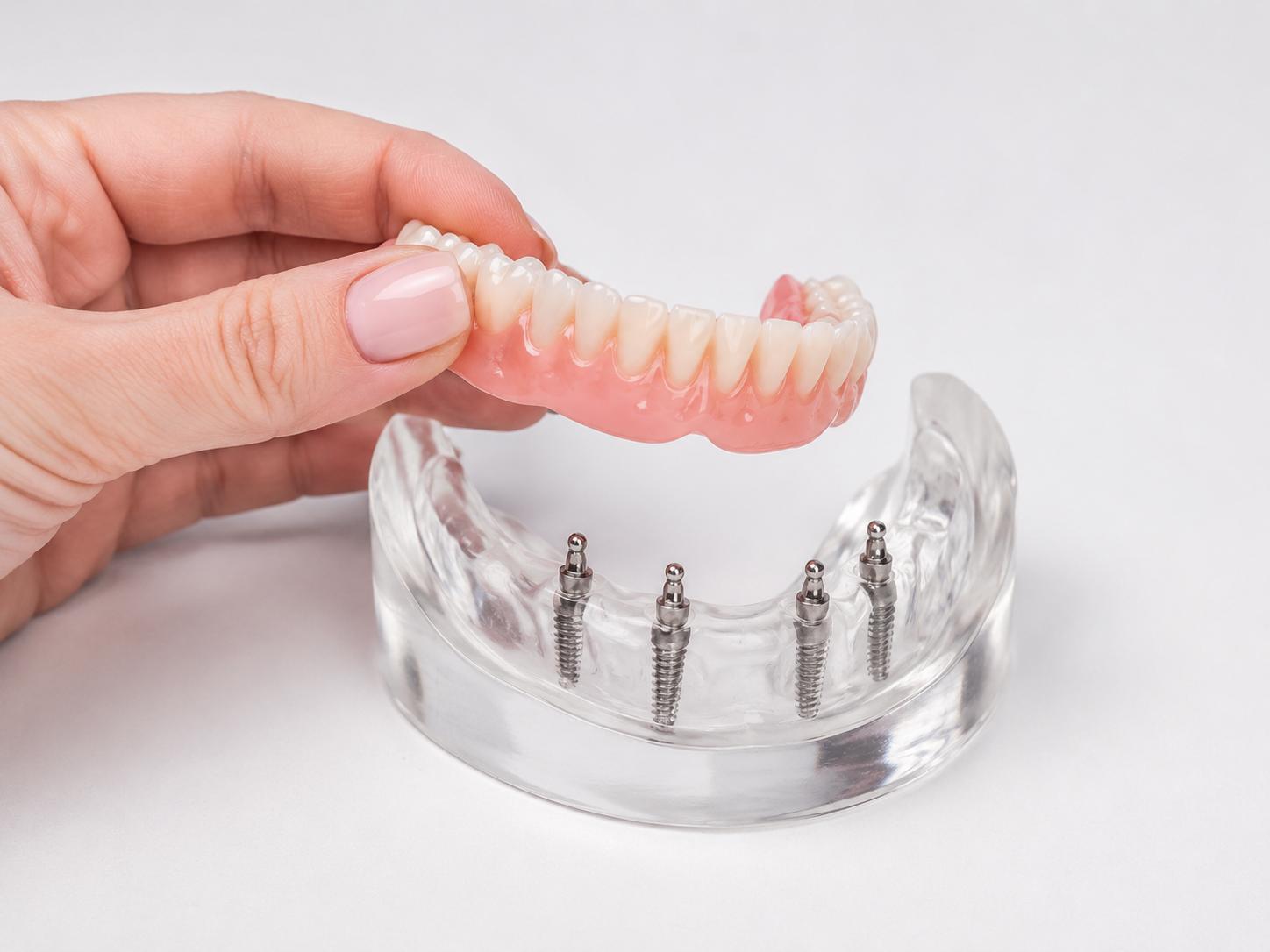
Brush twice daily and clean around the implant to remove plaque and food particles. Depending on the type of implant restoration, dental floss, interdental brushes or other cleaning aids may be recommended. For implant-supported bridges or dentures, additional cleaning may be needed around and underneath the replacement teeth.
2. Attend Regular Dental Check-Ups
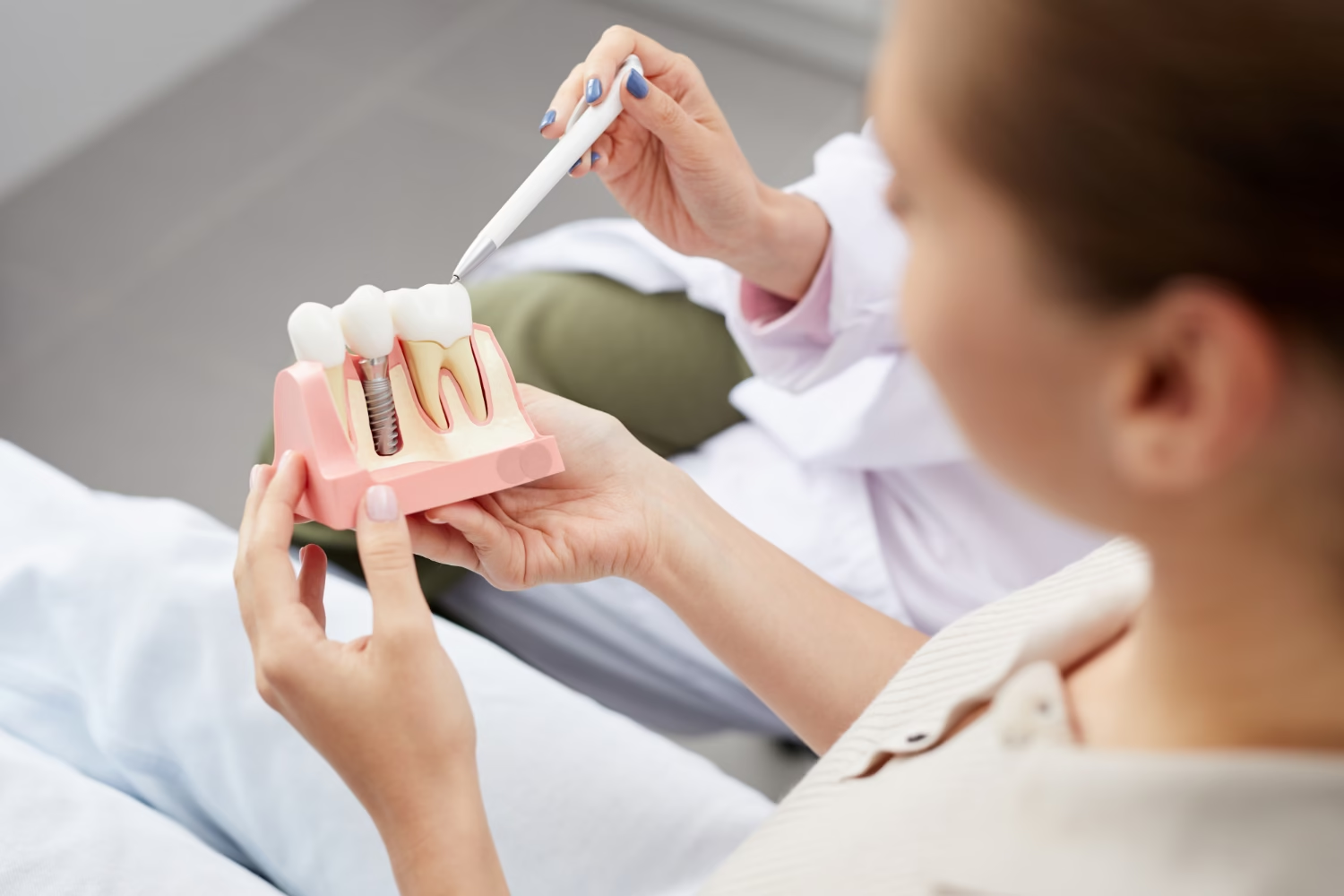
Regular dental reviews allow us to monitor the condition of the implant and surrounding tissues.
During these appointments, our dentist may check:
- Gum health and signs of inflammation
- Bone levels around the implant, using X-rays where needed
- Stability and condition of the implant crown
- Bite pressure and signs of teeth grinding
- Areas that may be difficult to clean
The recommended review frequency depends on individual oral health and risk factors.
3. Avoid Smoking
Smoking is associated with a higher risk of implant failure and gum problems. Avoiding smoking can help reduce one of the risk factors that may affect the long-term condition of dental implants.
4. Avoid Excessive Pressure on the Implant
Avoid biting very hard objects such as ice, pens or nutshells, as this may damage the implant crown or other components. For patients who grind their teeth, a night guard may be recommended to help protect the implant restoration and remaining natural teeth.
5. Seek Dental Attention for Any Warning Signs
Bleeding gums, persistent discomfort or a loose implant crown should not be ignored. Early assessment can help identify whether the problem involves the crown, abutment, surrounding gums or implant fixture. Not every implant-related problem requires removal of the entire implant.
Conclusion
Dental implants can last 10 to 20 years or longer with proper care, but their lifespan varies depending on gum health, bone support, oral hygiene, smoking habits and biting forces. The implant fixture may remain stable for many years, while the crown or other components may require maintenance or replacement earlier.
Regular brushing, cleaning around the implant and attending dental check-ups are important for maintaining healthy surrounding tissues. Early assessment of problems such as bleeding gums, discomfort or a loose crown can also help prevent further complications.
Considering Dental Implants in Singapore? Visit Best Smile Dental
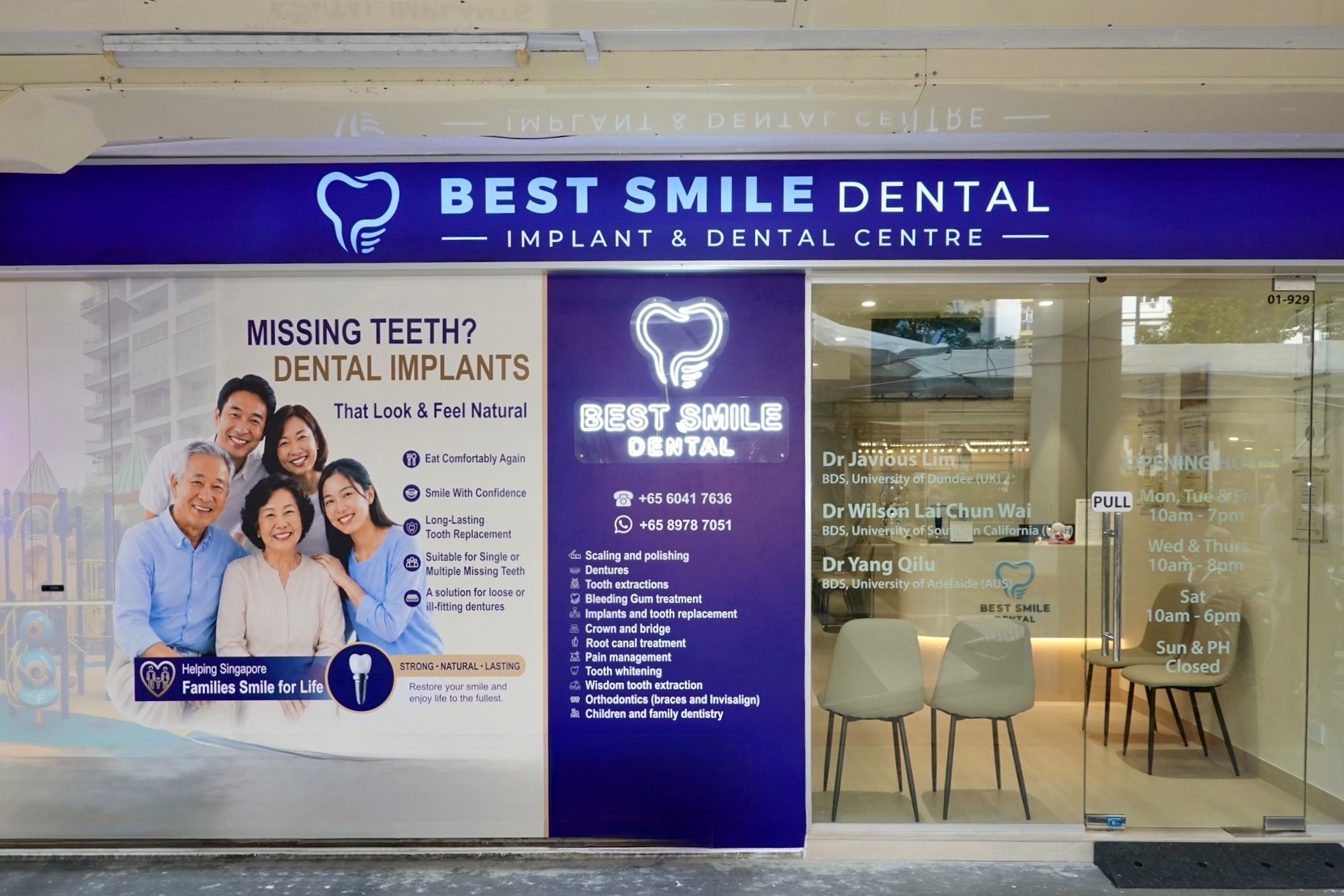
At Best Smile Dental in Upper Boon Keng, we provide dental implant treatment for suitable patients who need to replace missing teeth. Our dentist will assess the teeth, gums, bite and jawbone before recommending a treatment plan. X-rays or a CBCT scan may be used where needed to assess the implant area and available bone support.
We will also explain the treatment process, expected recovery, possible risks, long-term maintenance and estimated fees before treatment begins. Learn more about our dental implant treatment and dental implant cost in Singapore, or book an appointment with our dental team for an individual assessment.
Frequently Asked Questions
1. Can dental implants last a lifetime?
Some dental implants remain stable for several decades, but they are not guaranteed to last for life. Their lifespan depends on oral hygiene, gum health, bone support, smoking habits and regular dental maintenance.
2. Do dental implants need to be replaced every 10 years?
Not necessarily. A healthy and stable dental implant does not need to be replaced simply because it has been in place for 10 years. However, the crown or connecting components may require maintenance or replacement over time.
3. How long does a dental implant crown last?
The lifespan of an implant crown depends on the material used, biting forces, oral hygiene and normal wear. Some crowns last many years, while others may require earlier repair or replacement due to damage.
4. Can dental implants develop cavities?
No. Dental implant fixtures and artificial crowns cannot develop tooth decay like natural teeth. However, plaque can still accumulate around the implant and cause inflammation of the surrounding gums and bone.
5. What happens if a dental implant becomes loose?
A loose implant crown may be caused by a problem with the crown or connecting components. However, movement of the implant fixture itself may indicate loss of stability or supporting bone. Both situations require a dental assessment.
6. Does smoking affect how long dental implants last?
Yes. Smoking is associated with a higher risk of implant failure, gum inflammation and bone loss around implants. Avoiding smoking can help reduce these risks.
7. How often should dental implants be checked?
Dental implants should be reviewed regularly as part of routine dental care. The recommended frequency depends on gum health, medical history and individual risk factors. These appointments allow us to monitor the implant, surrounding tissues and restoration for any changes.