
Emergency Dentistry in Singapore
Dental pain, swelling, broken teeth, lost fillings and dental trauma can happen suddenly. Best Smile Dental provides emergency dental care in Upper Boon Keng, Singapore, less than 5 minutes’ walk from Kallang MRT, for patients who need prompt assessment and relief.
What Is Emergency Dentistry?
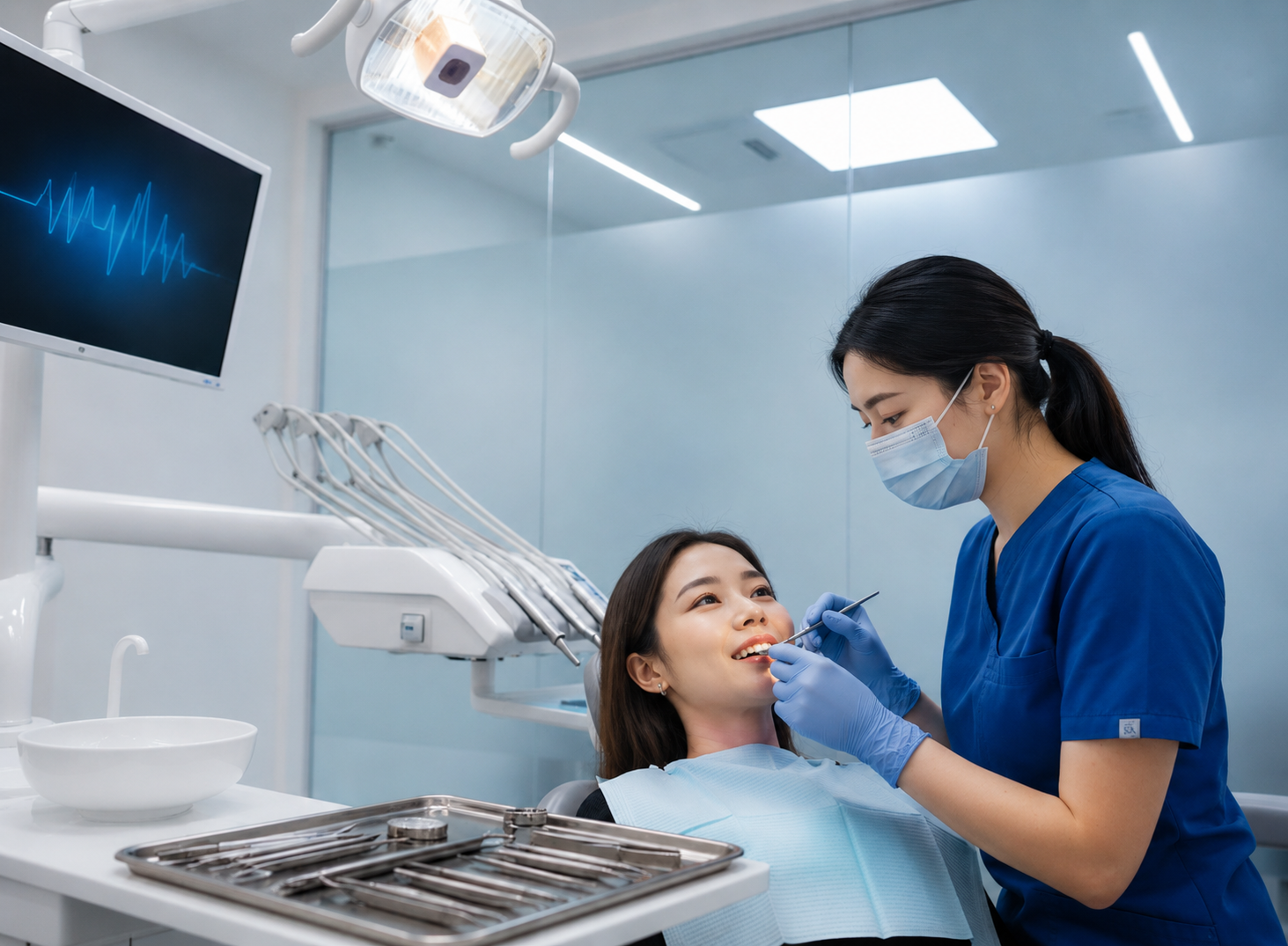
Emergency dentistry is urgent dental care for problems that need prompt attention because they are causing pain, swelling, bleeding, infection, injury or damage to the teeth, gums, jaw or dental restorations.
At Best Smile Dental, our dentist will first assess the cause of your symptoms and explain the suitable treatment options clearly. The aim is to relieve discomfort, stabilise the problem and prevent the condition from becoming more serious.
When Do You Need an Emergency Dentist?
You may need an emergency dentist if you experience sudden dental pain, swelling, bleeding, infection or damage to your teeth.
Common Dental Emergencies
We Can Help With
1. Toothache
Persistent pain, sensitivity or pain when biting.
A toothache may be caused by tooth decay, gum infection, cracked teeth, exposed nerves, wisdom tooth problems or a dental abscess. If the pain is severe, persistent, keeps you awake or gets worse when biting, it should be checked by a dentist.
Depending on the cause, treatment may involve dental filling, root canal treatment, tooth extraction, wisdom tooth treatment, medication or further assessment.
2. Swelling or Dental Abscess
Swelling of the gum, jaw or face
Swelling around the gum, jaw or face may be a sign of infection. A dental abscess may cause pain, fever, tooth sensitivity, bad taste in the mouth, pus or a pimple like swelling on the gum.
Dental infections should not be ignored because they may spread. Our dentist will assess the source of infection and advise whether drainage, root canal treatment, tooth extraction, medication or further care is needed.

3. Swollen or Bleeding Gums
Gums may be swollen, tender or bleed while brushing.
Swollen or bleeding gums may happen because of gum infection, gum disease, injury, food trapping or irritation around the teeth. If bleeding continues, swelling becomes painful or the gum feels infected, you should arrange a dental assessment.
Treatment may include cleaning, gum assessment, medication, deep cleaning or further gum treatment, depending on the cause.
4. Broken Tooth or Chipped Tooth
Persistent pain, sensitivity or pain when biting.
A broken tooth or chipped tooth may happen after biting something hard, an accident, tooth decay or an old filling breaking down. Even a small chip should be checked if there is pain, sensitivity, sharp edges or visible tooth damage.
Depending on the condition, treatment may include tooth filling, bonding, dental crown, root canal treatment or tooth extraction if the tooth cannot be saved.
5. Lost Filling
Filling falls out, causing sensitivity or discomfort.
A lost filling can expose the tooth underneath and cause sensitivity, food trapping, pain when biting or further decay. If your filling falls out, avoid chewing on that side and arrange a dental appointment as soon as possible.
Our dentist will check whether the tooth can be restored with a new filling, temporary filling, crown or other suitable treatment.
6. Loose Crown or Broken Dental Restoration
Crown, bridge or restoration becomes loose or damaged.
A loose crown, broken crown, broken bridge or damaged dental restoration can affect chewing and expose the tooth underneath. Do not try to glue the crown or restoration back yourself.
Our dentist will assess whether the crown or restoration can be repaired, re cemented or replaced.
7. Knocked Out Tooth
Act quickly to improve the chance of saving the tooth.
A knocked out adult tooth is a time sensitive dental emergency. Hold the tooth by the crown and avoid touching the root. Do not scrub the tooth.
If possible, keep the tooth moist in milk or saliva and see a dentist immediately. The faster the tooth is managed, the better the chance of saving it.
8. Dental Trauma
Injuries to teeth, gums, jaw or soft tissues from impact or accidents.
Dental trauma can happen from falls, sports injuries, road accidents or direct impact to the mouth. It may involve broken teeth, loose teeth, knocked out teeth, bleeding gums, cuts, jaw pain or damage to the lips and soft tissues.
Emergency dental assessment helps identify the extent of injury and prevent further complications.

9. Broken or Lost Dentures
Damaged or loose dentures affecting chewing, speech or comfort.
Broken or lost dentures can affect chewing, speech and comfort. Do not try to repair broken dentures yourself, as this may damage the denture further or hurt your gums. Our dentist will assess whether the denture can be repaired, adjusted or replaced.
10. Wisdom Tooth Pain
Pain, swelling or infection around the back molars.
Wisdom tooth pain may happen when the tooth is impacted, partially erupted, infected or trapping food around the gum. Symptoms may include pain at the back of the mouth, swollen gum, bad taste, jaw stiffness or difficulty opening the mouth.
Our dentist will assess whether cleaning, medication, wisdom tooth removal or wisdom tooth surgery is needed.
What to Do Before Seeing an Emergency Dentist
01
02
For swelling, apply a cold compress outside the face and seek dental care promptly. If swelling affects breathing, swallowing or spreads quickly, seek urgent medical attention.
03
04
05
06
What to Expect During an Emergency Dental Visit
- Emergency consultation and assessment
- X-ray or CBCT scan if needed to check the tooth, root, bone or infection
- Explanation of the cause, treatment options and estimated fees
- Pain relief or stabilisation treatment where suitable
- Treatment based on the condition, such as filling, medication, drainage, root canal treatment, extraction, crown re-cementation or wisdom tooth treatment
- Aftercare instructions and follow-up advice if further treatment is needed
Why Choose Best Smile Dental for Emergency Dentistry?
Best Smile Dental provides emergency dental care for urgent problems such as toothache, swelling, dental abscess, broken tooth, chipped tooth, lost filling, loose crown, knocked-out tooth, dental trauma, broken dentures and wisdom tooth pain. Our clinic is located in Upper Boon Keng, less than 5 minutes’ walk from Kallang MRT, making it convenient for patients who need prompt dental assessment in Singapore.
- Prompt assessment for common dental emergencies
- X-ray or CBCT assessment where needed
- Pain relief or stabilisation treatment where suitable
- Clear explanation of treatment options and estimated fees
- Gentle care in a calm and comfortable clinic environment
- CHAS support where eligible and MediSave guidance for applicable surgical procedures
Cost of Emergency Dentistry in Singapore
The cost of emergency dental treatment in Singapore depends on the cause of the problem, the treatment required and whether X rays, medication or surgical procedures are needed.
Aftercare and Follow Up
After emergency dental treatment, our dentist will explain how to care for the treated area and what symptoms to monitor. Some soreness, sensitivity or swelling may be expected depending on the condition and treatment done.
After emergency dental treatment, our dentist will explain how to care for the treated area and what symptoms to monitor. Some soreness, sensitivity or swelling may be expected depending on the condition and treatment done.
After emergency dental treatment, our dentist will explain how to care for the treated area and what symptoms to monitor. Some soreness, sensitivity or swelling may be expected depending on the condition and treatment done.
Frequently Asked Questions
What is considered a dental emergency?
Should I see an emergency dentist for toothache?
Can swelling from a tooth infection go away on its own?
Can a dental abscess go away without treatment?
Can a broken tooth be repaired?
What should I do if my filling falls out?
What should I do if my tooth is knocked out?
Is dental trauma always an emergency?
Is wisdom tooth pain a dental emergency?
Ready to Book Your Dental Appointment?
Schedule your visit with Best Smile Dental and let our team assist you with your dental care needs.